- Connecting Specimens with Clinical Practice: A Visit to the Department of Parasitology
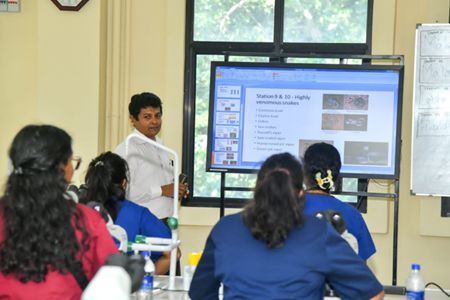
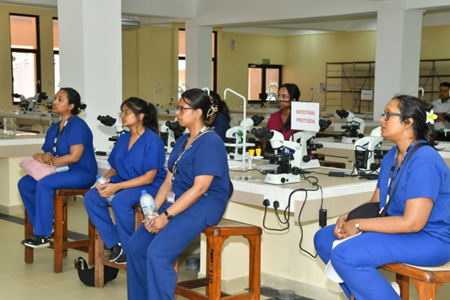
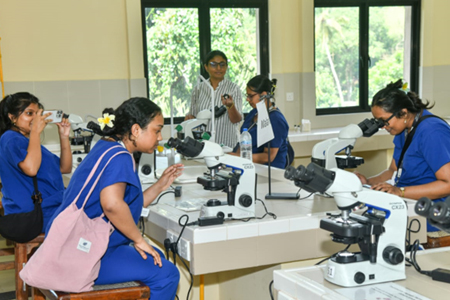
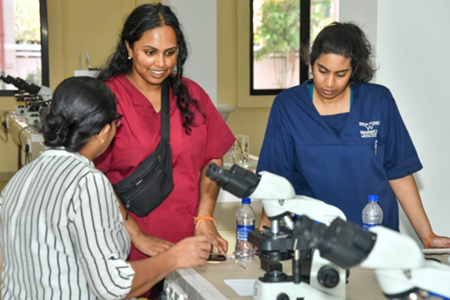
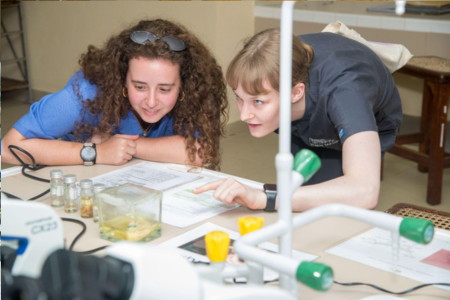
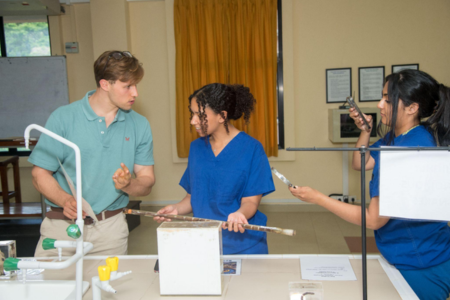
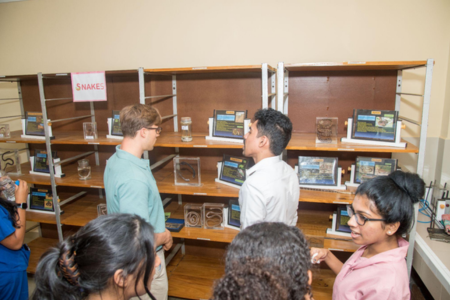
The Department of Parasitology hosted nine medical students from three universities in the UK; University of Cambridge, the University of Manchester & University of Liverpool on 2nd of July, 2026 for an immersive tropical medicine learning experience. Students explored medically important parasites during their laboratory visit and later examined the museum collection, including medically important venomous snakes of Sri Lanka. The session highlighted the importance of specimen-based learning in understanding tropical infections, diagnosis and clinical management.
“I really enjoyed my visit here, it was very interesting. Thank you very much.” - Carina Sidhu - University of Liverpool
“Had such an amazing time and the teaching was absolutely incredible! Thank you so much for taking the time to teach us.” - Benedita Cowling - The University of Manchester
“Fantastic teaching - thank you so much! Come and teach us in the UK please!” - Aisha Warner - University of Cambridge
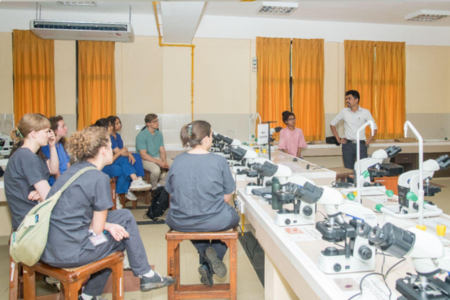
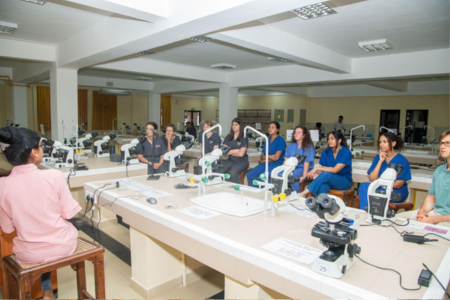
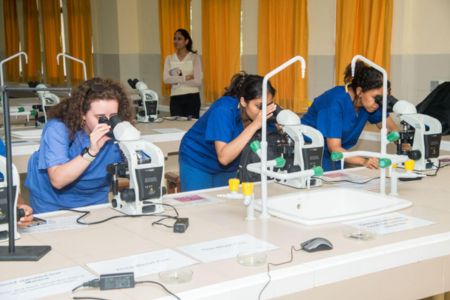
- Clinical Parasitology Tutorials for MD Microbiology Trainees (2024 Batch)
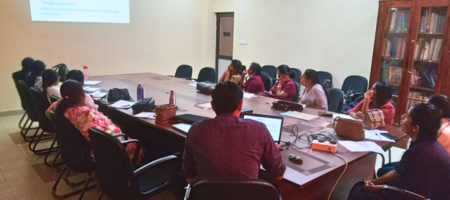
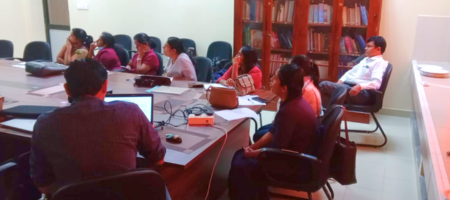
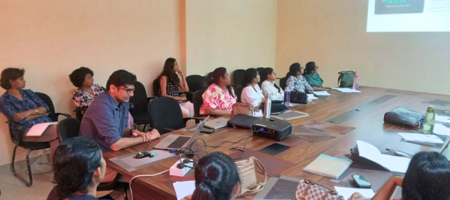
The Department of Parasitology conducted Clinical Parasitology tutorials for the MD Microbiology trainees (2024 batch) on 15th June 2026. The sessions focused on strengthening the trainees’ understanding of clinically important parasitic infections through an integrated approach combining clinical, diagnostic and management aspects.
The tutorials included discussions on the clinical presentations of parasitic infections, laboratory techniques available for confirmation of diagnosis and interpretation of diagnostic approaches. The sessions also provided an opportunity to revise essential bench skills acquired during Diploma training, with emphasis on microscopy techniques and recognition of parasitic organisms. In addition, available treatment options, patient management strategies and practical considerations in clinical parasitology were discussed to enhance the trainees’ competence in managing parasitic diseases.
- A Tropical Medicine Experience Through Parasites and Venomous Snakes
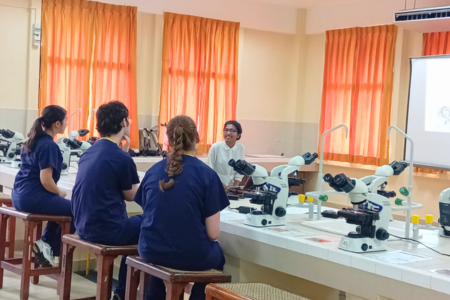
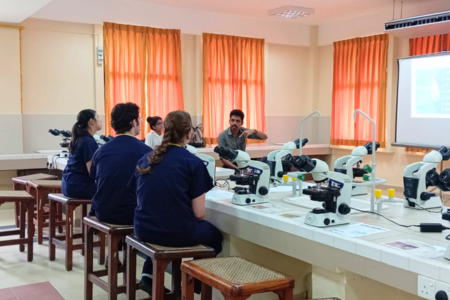
As part of their tropical medicine elective, three medical students from Imperial College, London, UK visited the Department of Parasitology on 12th May, 2026. During the visit, students gained hands-on exposure to medically important parasite specimens in the laboratory, enhancing their understanding of parasite identification and clinical relevance. They also explored the departmental museum, where they were introduced to medically important venomous snakes of Sri Lanka and their significance in tropical medicine.
“Great session, got to see and understand many things we don’t have at home. Instructions were very informative too.” - Niall Kelly - Imperial College, London, UK
“I thoroughly enjoyed the session today, it was very interesting to see the different infections endemic to tropical region. I was especially interested in learning about the different types of snakes!” - Elsa Thomson - Imperial College, London, UK
- Exploring Tropical Medicine: From Parasite Laboratories to Museum Collections
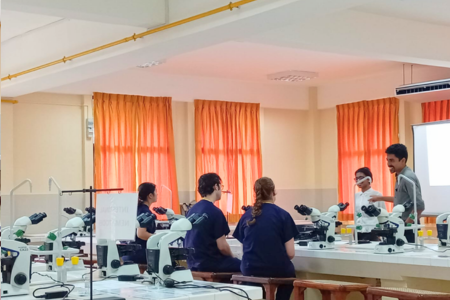
The Department of Parasitology welcomed two medical students from the University of Sheffield, UK on 30th April, 2026 during their tropical medicine elective appointment. The students visited the parasitology laboratory, where they were introduced to medically important parasites through specimen-based learning, followed by a visit to the departmental museum to explore medically important venomous snakes of Sri Lanka and other educational collections. The experience provided valuable insights into the diversity of tropical diseases and their clinical importance.
“Thank you for the super interesting session! The specimens were fascinating and the information at the beginning was really informative. It was a privilege to visit!” - Joseph Hughes Gooding - University of Sheffield, UK
- Visiting Elective Students
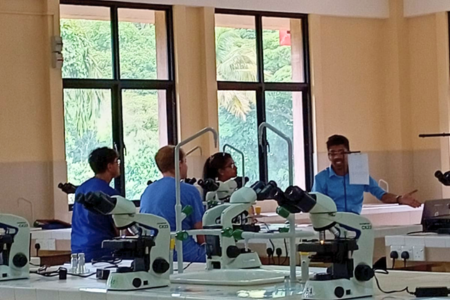
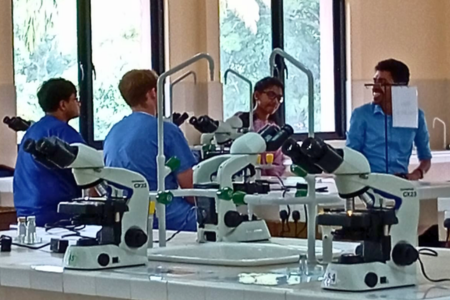
As part of his elective training in Tropical Medicine, a student from Newcastle University, UK visited the Department of Parasitology, Faculty of Medicine, University of Peradeniya on 9th March, 2026.
The visit included an interactive session on important tropical diseases such as malaria, leishmaniasis and filariasis, along with microscopy demonstrations that provided insight into laboratory diagnosis of parasitic infections.
He also toured the Parasitology Museum, where he gained an understanding of the medically important snakes of Sri Lanka and their clinical significance.
Such interactions contribute to a broader understanding of tropical diseases and encourage meaningful academic exchange between institutions.
“Thank you so much for the talk and showing me around! It’s a first for me to see slides of many of these parasites which is made all the more interesting seeing these in combination to my tropical attachment. Seeing the snakes was great even if it did make me a bit more tentative about visiting the coast! Thanks again!” - Theo Cooke - Newcastle University, UK
- Tropical Medicine Learning Experience
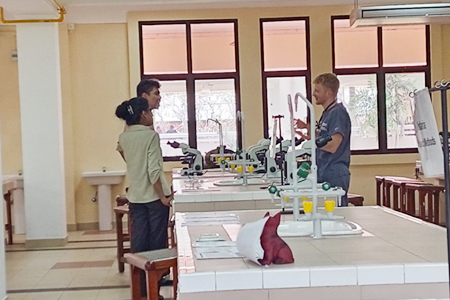
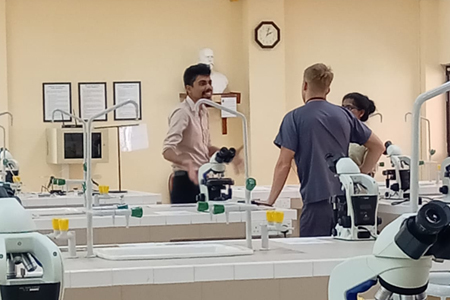
Medical students from University of Oxford, UK and University of Otago, NZ visited the Department of Parasitology on 24th February, 2026 as part of their Tropical Medicine elective attachment.
The program provided an overview of major tropical parasitic infections such as malaria, leishmaniasis, lymphatic filariasis, and helminthiases, together with practical exposure through microscopy-based learning activities.
Students also had the opportunity to visit the Parasitology Museum, where they were introduced to the medically significant snakes found in Sri Lanka and their relevance to tropical medicine.
The department looks forward to continuing such educational engagements that enhance the learning experience of visiting students.
“Thank you so much for this opportunity to visit the museum and learn from everyone and everything! I really like the intro and then the relaxed nature of walking around seeing everything. Also, great to hear things in context of Sri Lanka. Appreciate!” - Kate Hugnes - University of Otago (Christchurch Campus), NZ
“Thank you for such an interesting visit - it was great to learn about the tropical diseases encountered in Sri Lanka!” - Alice Baker - University of Oxford, UK
- International Student Elective Session
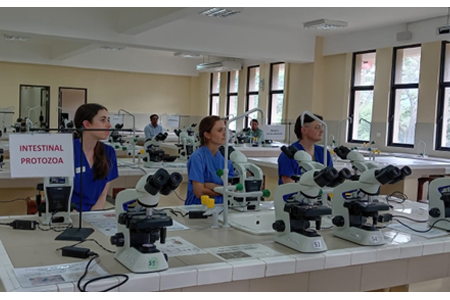
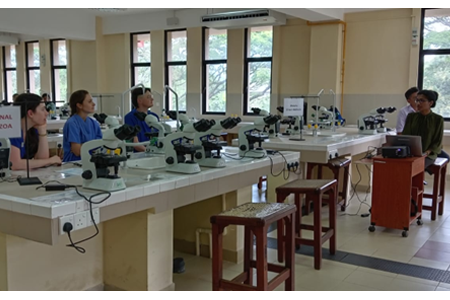
On 3rd February, 2026, the Department of Parasitology hosted visiting medical students and residents from Stanford University, USA and University of New South Wales, Australia for an educational session as part of their Tropical Medicine elective program.
The session focused on key parasitic diseases encountered in tropical regions, including malaria, leishmaniasis, filariasis, and toxoplasmosis. Students participated in interactive discussions and microscopy sessions, providing practical exposure to diagnostic parasitology.
A guided tour of the Parasitology Museum also introduced students to the medically important snakes of Sri Lanka, highlighting their identification and medical importance.
These visits provide a valuable opportunity for students to gain practical insight into tropical diseases while fostering academic interaction across institutions.
“Excellent! Comprehensive outline of many tropical diseases. Thank you!” - Shyon Parsa - Stanford University, USA
“Thank you for the opportunity to visit the department of parasitology. I really enjoyed looking through the microscopes at different specimens and seeing all of the types of snakes in Sri Lanka!” - Nimasha Weththasinghe - University of New South Wales, Australia
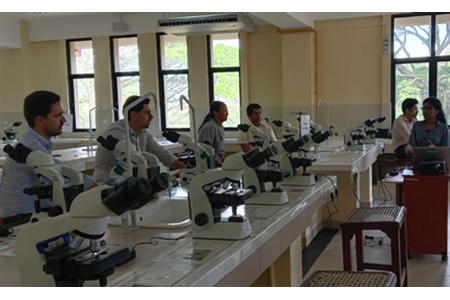
- Elective Visit in Tropical Parasitology
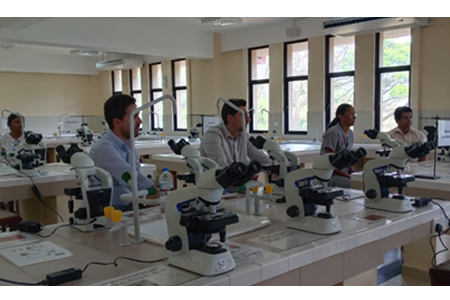
The Department of Parasitology, Faculty of Medicine, University of Peradeniya, welcomed medical students from Australia - University of New South Wales and The Australian National University on 20th January, 2026 as part of their Tropical Medicine elective training.
During the visit, students were introduced to important tropical diseases including malaria, leishmaniasis and lymphatic filariasis, with emphasis on their diagnosis and public health relevance. The session also included microscopy-based demonstrations, allowing students to observe parasitic stages and understand laboratory diagnosis.
Students further explored the Parasitology Museum, where they learned about the medically important snakes of Sri Lanka and the clinical significance of snake envenomation.
The Department of Parasitology is pleased to support such international learning experiences that promote knowledge exchange and strengthen global collaboration in tropical medicine.
“Such an interesting experience and great to see in the flesh some very interesting and nasty parasites. Thank you for your hard work setting the experience up!” - Jesse Spratt - The Australian National University
- Exploring Nature’s Wonders: Department of Parasitology Visits Horton Plains and World’s End
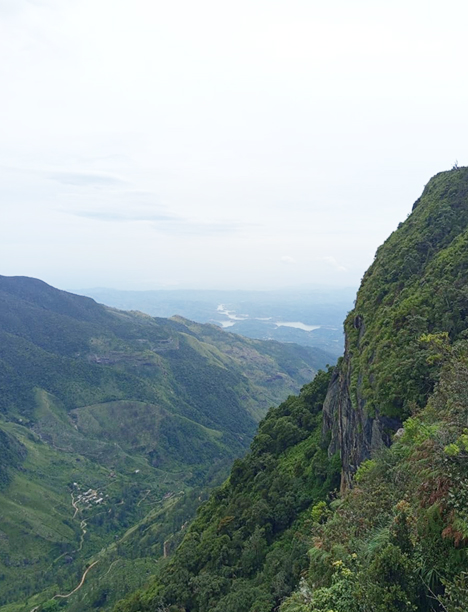
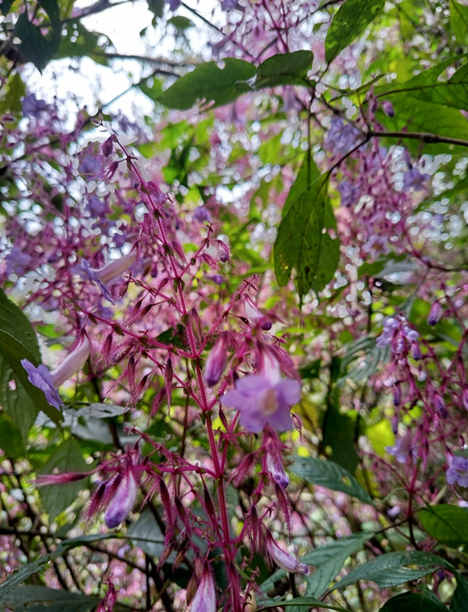
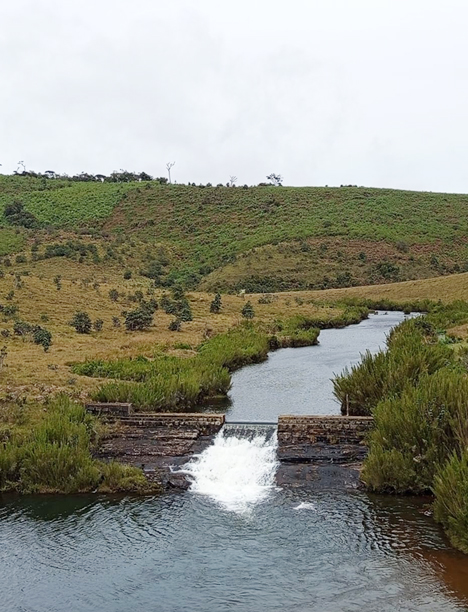
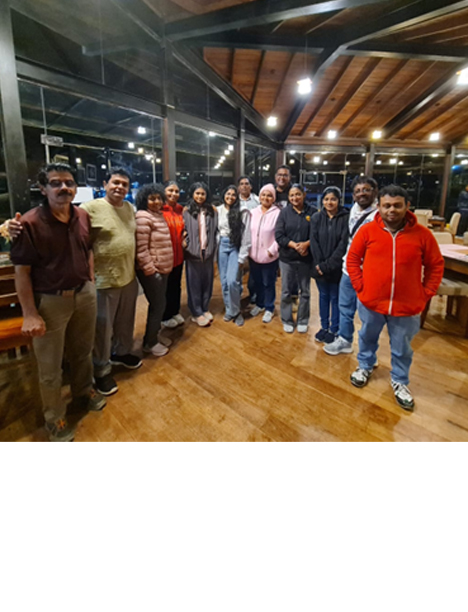
The Department of Parasitology organized its annual trip to Horton Plains and World’s End on 26th October 2025, with the participation of academic, non-academic, and retired staff members. The visit provided an opportunity to appreciate the distinctive biodiversity and natural heritage of the region. Participants enjoyed the scenic trail, witnessed the blooming Nelu flowers, and admired the breathtaking views from World’s End. The group also visited Baker’s Falls, further enriching the day’s experiences. The presence of retired staff members added a sense of continuity and collegiality.
- UK Elective Medical Students Gain Practical Insights into Parasitic Diseases at the Department of Parasitology, Faculty of Medicine, University of Peradeniya
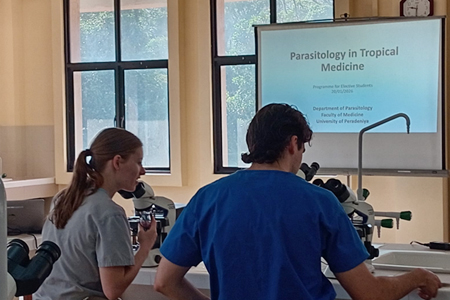
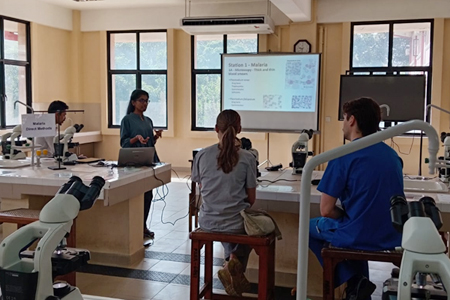
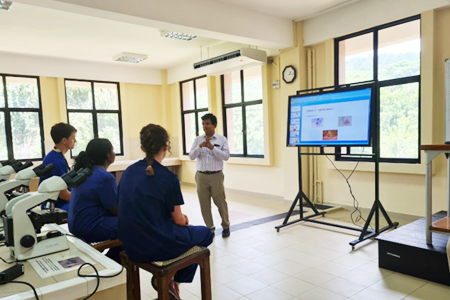
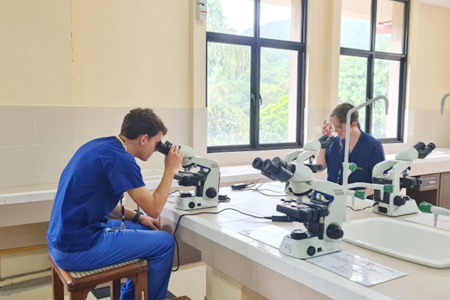
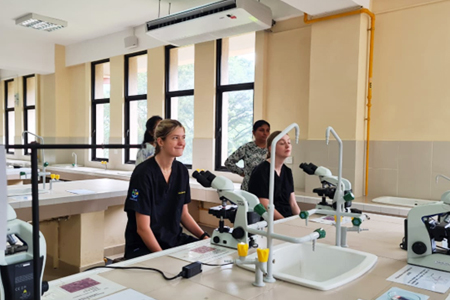
On 22nd May and 21st July 2025, the Department of Parasitology, Faculty of Medicine, University of Peradeniya had the pleasure of hosting two groups of elective medical students from the United Kingdom. This academic visit was part of their broader clinical elective in Sri Lanka and was specifically focused on gaining practical exposure in tropical parasitology and public health implications.
The department curated a comprehensive program aimed at delivering a well-rounded experience, balancing theoretical instruction with hands-on laboratory experience. The objective was to provide students with insight into the spectrum of parasitic diseases endemic to the region and to highlight their clinical relevance, diagnostic challenges, and public health implication
- Parasitology Department Conducts Focused Training for Microbiology MD Students
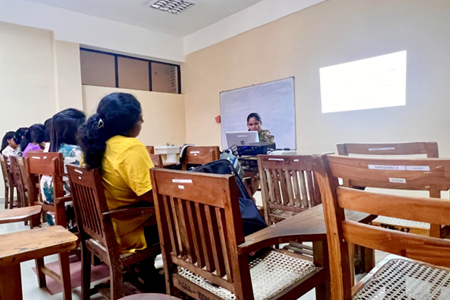
A training program for Microbiology MD students was held on 23rd June 2025 at the Department of Parasitology, Faculty of Medicine, University of Peradeniya. The program included presentations, an interactive Q&A session, OSPE, and practical sessions, focusing on key aspects of medical parasitology.
Participants gained valuable theoretical and hands-on experience in parasite identification, diagnostic methods, and clinical relevance. The session was well-organized and effectively contributed to the postgraduate training curriculum.
- Department Staff Unite for Annual Meemure Excursion – March 20, 2025
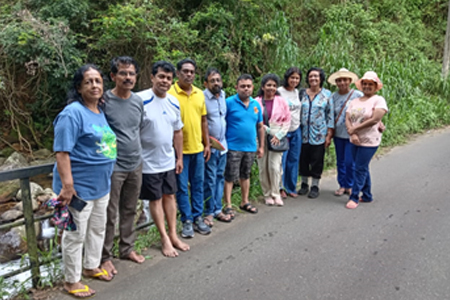
On March 20, 2025, academic,non-academic and recently retired staff members of the department took part in the annual excursion to Meemure. The trip offered a valuable opportunity for relaxation and team building in a scenic natural setting. Participants enjoyed a day of camaraderie and informal engagement, strengthening bonds across all levels of the department. The event was well-received and highlighted the importance of community and well-being among staff.
- Educational Visit by UK Medical Electives Highlights Department’s Global Teaching Role
The Department of Parasitology recently welcomed a group of elective medical students from several universities in the United Kingdom. During their visit, the students received brief session on tropical medicine and medically important parasites, with a focus on regional parasitic diseases.
Teaching sessions included hands-on laboratory demonstrations using prepared specimens and interactive discussions guided by academic staff. The students also had the opportunity to explore the department’s Parasitology museum, where they examined a wide range of preserved specimens and educational displays.
This educational exchange reflects the department’s commitment to fostering global learning and providing international students with practical exposure to parasitic diseases relevant to tropical regions.